Craft & Heritage
The Art of Sanganeri Printing
Fine florals, careful registration and a town just south of Jaipur — an introduction to one of Rajasthan's best-known textile traditions.
· 2 min read
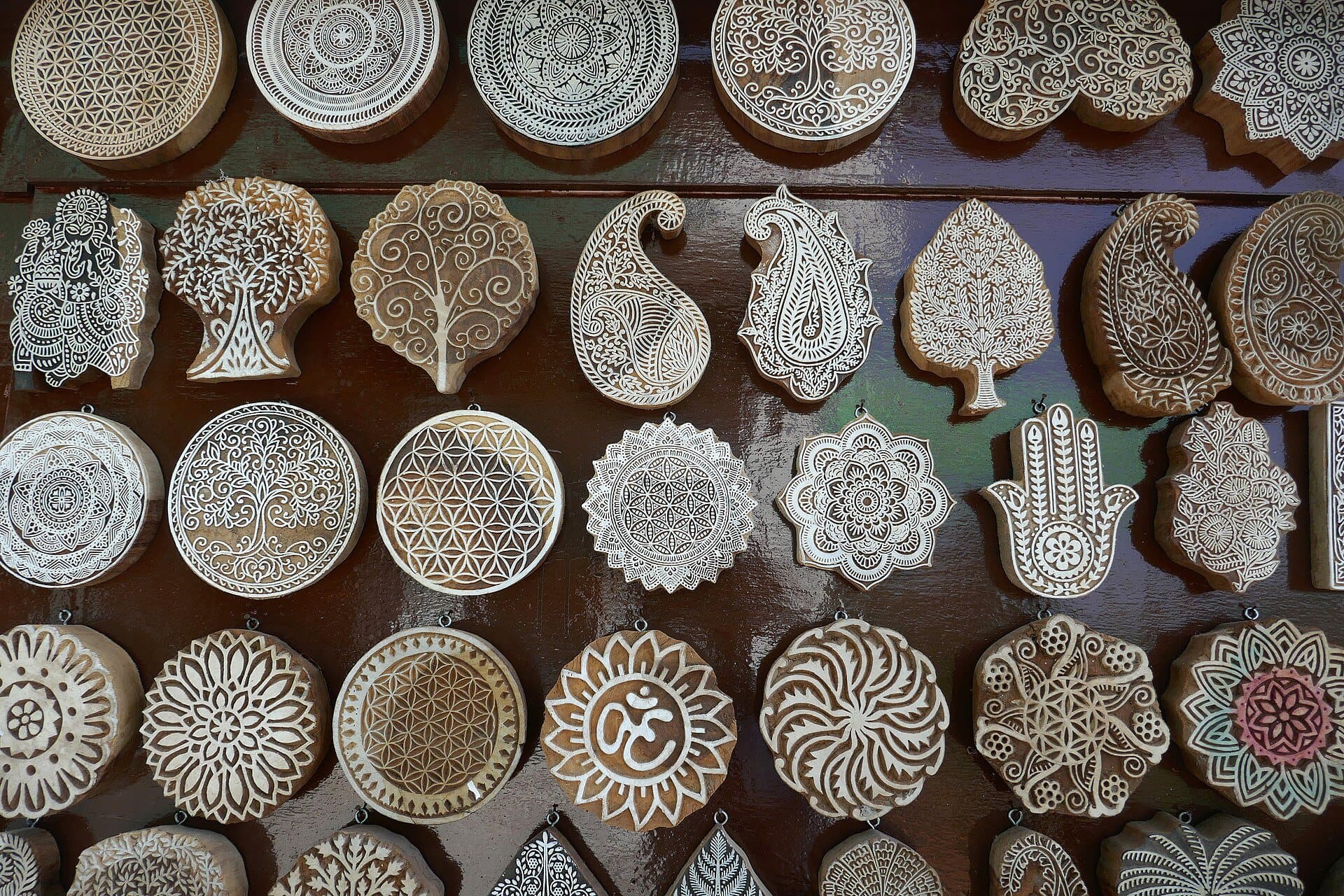
Sanganer lies a short distance south of Jaipur's walled city. For generations it has been associated with hand-block printing — and, in particular, with fine, delicately drawn floral patterns on light grounds.
The vocabulary of a Sanganeri print
The most recognisable Sanganeri designs are built from small, repeated motifs. A buti is a small, self-contained motif — often a single flower or sprig — scattered in a regular repeat. A bel is a running border of vine or flower. Larger compositions arrange florals inside a lattice.
What distinguishes the style is restraint and precision: thin outlines, carefully balanced spacing, and motifs that remain legible at a small scale. Lighter grounds are characteristic, though many colourways exist.
How hand-block printing works
Hand-block printing, as practised in Sanganer and elsewhere in Rajasthan, is a sequence of skilled stages rather than a single act.
- Preparing the cloth. Fabric is washed to remove starch and impurities so that it accepts dye evenly.
- Carving the blocks. A design is transferred to a block of seasoned wood and carved by hand. One design often needs several blocks: an outline block — commonly called the rekh — and further blocks to fill each colour.
- Printing. The printer charges the block with colour from a tray and presses it onto the cloth, aligning each impression by eye. Each additional colour is printed with its own block, in register with the outline.
- Fixing and finishing. Depending on the dyes used, the cloth is fixed, washed and dried — traditionally in the open sun.
Because every impression is placed by hand, genuine block-printed cloth shows small variations in registration and depth of colour. These are not defects; they are the evidence of the process.
Protection and provenance
Sanganeri hand-block printing is a registered Geographical Indication (GI) in India, which recognises the link between the product and its place. This matters for anyone designing with the tradition. A design can be inspired by Sanganeri motifs without being Sanganeri hand-block-printed cloth — and the two should never be confused in how a product is described.
How it informs TAAROKH
Our Sanganer studies borrow the logic of the buti: a small, complete flower, repeated with care. We redrew our own motif from first principles for a strap twenty millimetres wide. Where a product uses fabric genuinely hand-block printed in Sanganer, its product page will say so — and only once that has been verified. Until then, our language is deliberately exact: inspired by.
You can read more about how we separate inspiration from origin on The Craft.
Find a strap that fits.
Explore the collectionFurther reading
All stories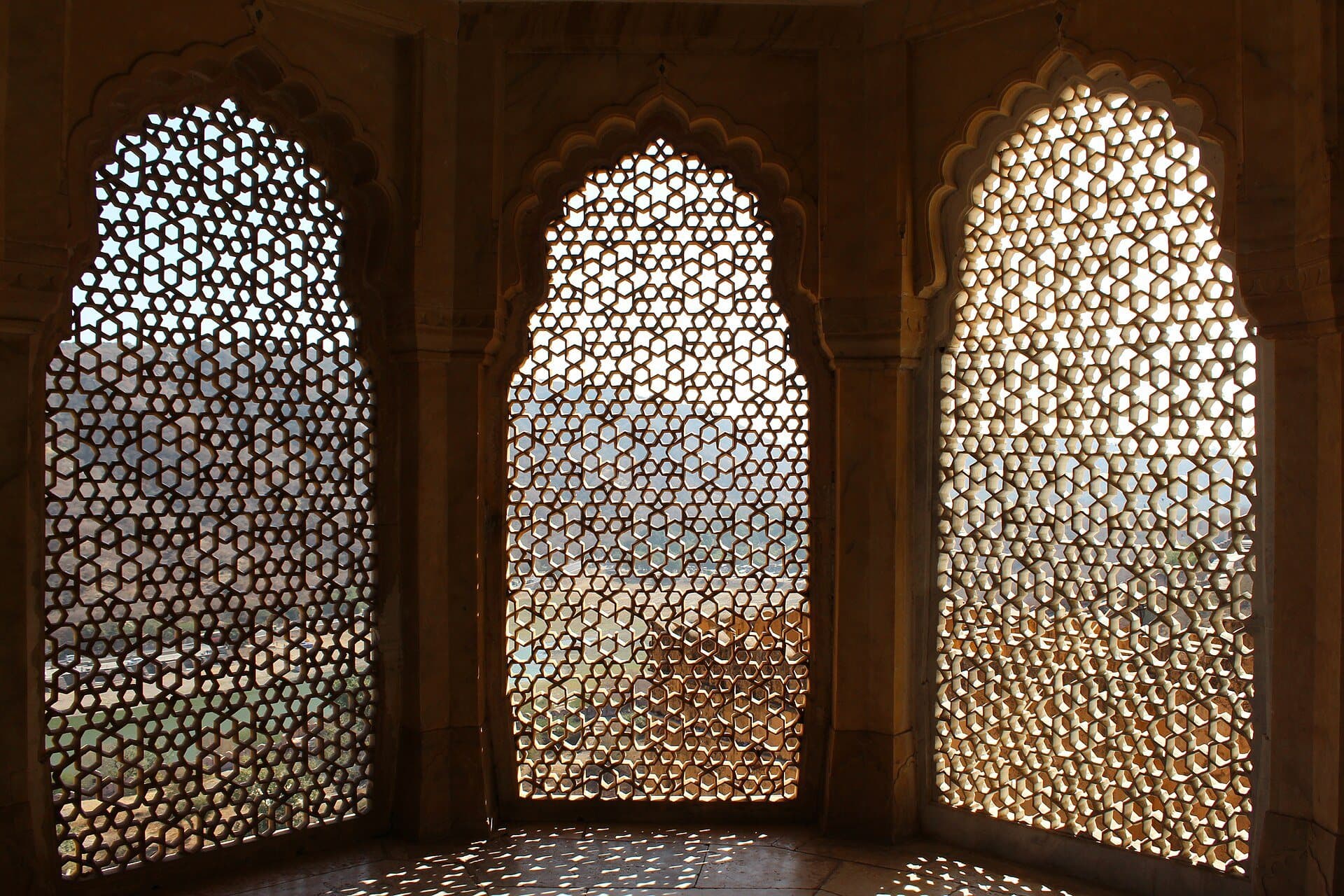
The Architecture Behind Jaipur's Patterns
Arches, screens and a planned city: how Jaipur's built environment shapes a visual language.
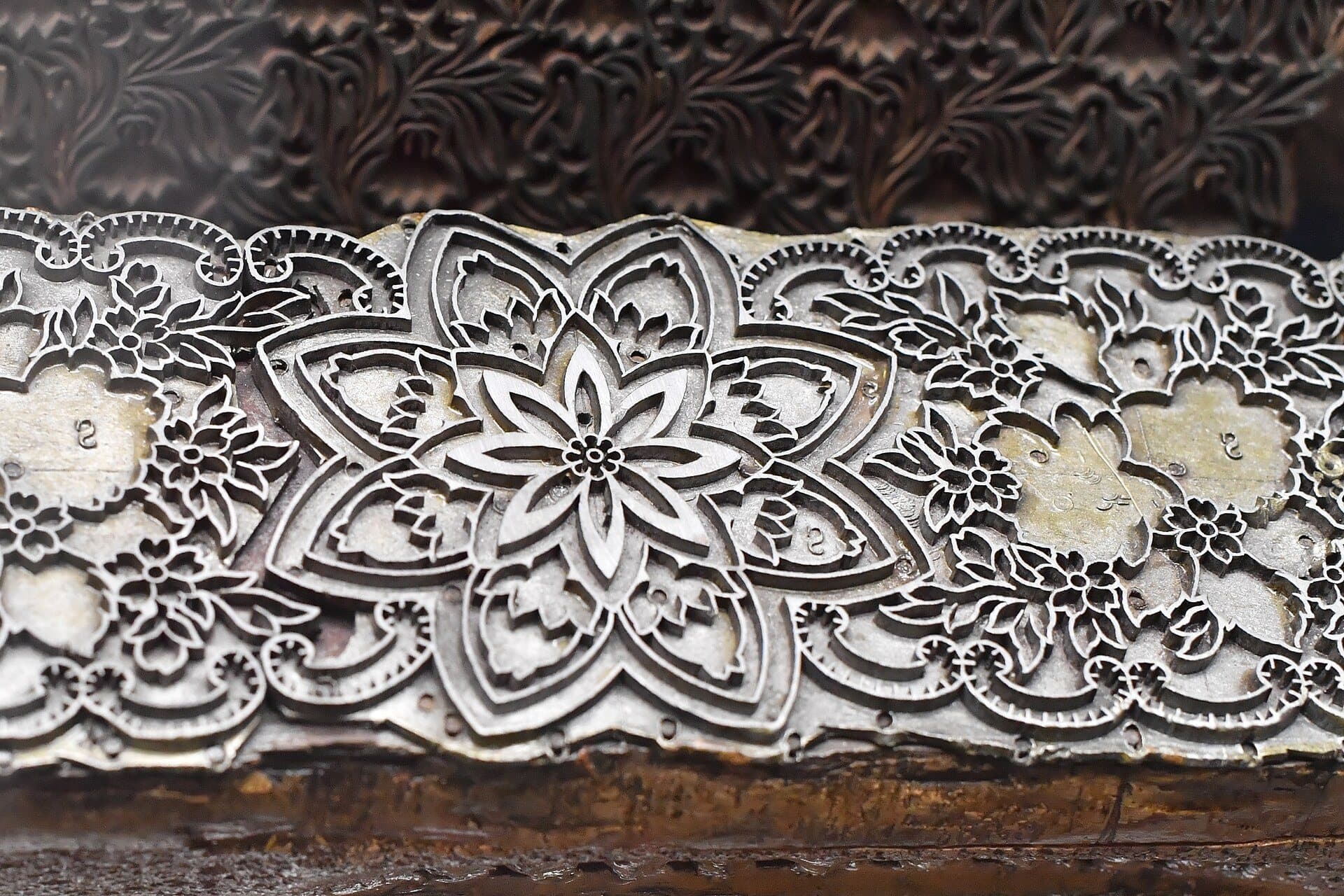
The Story of Traditional Block Printing
Wood, dye and repetition — the processes behind Rajasthan's block-printed textiles, and why provenance matters.
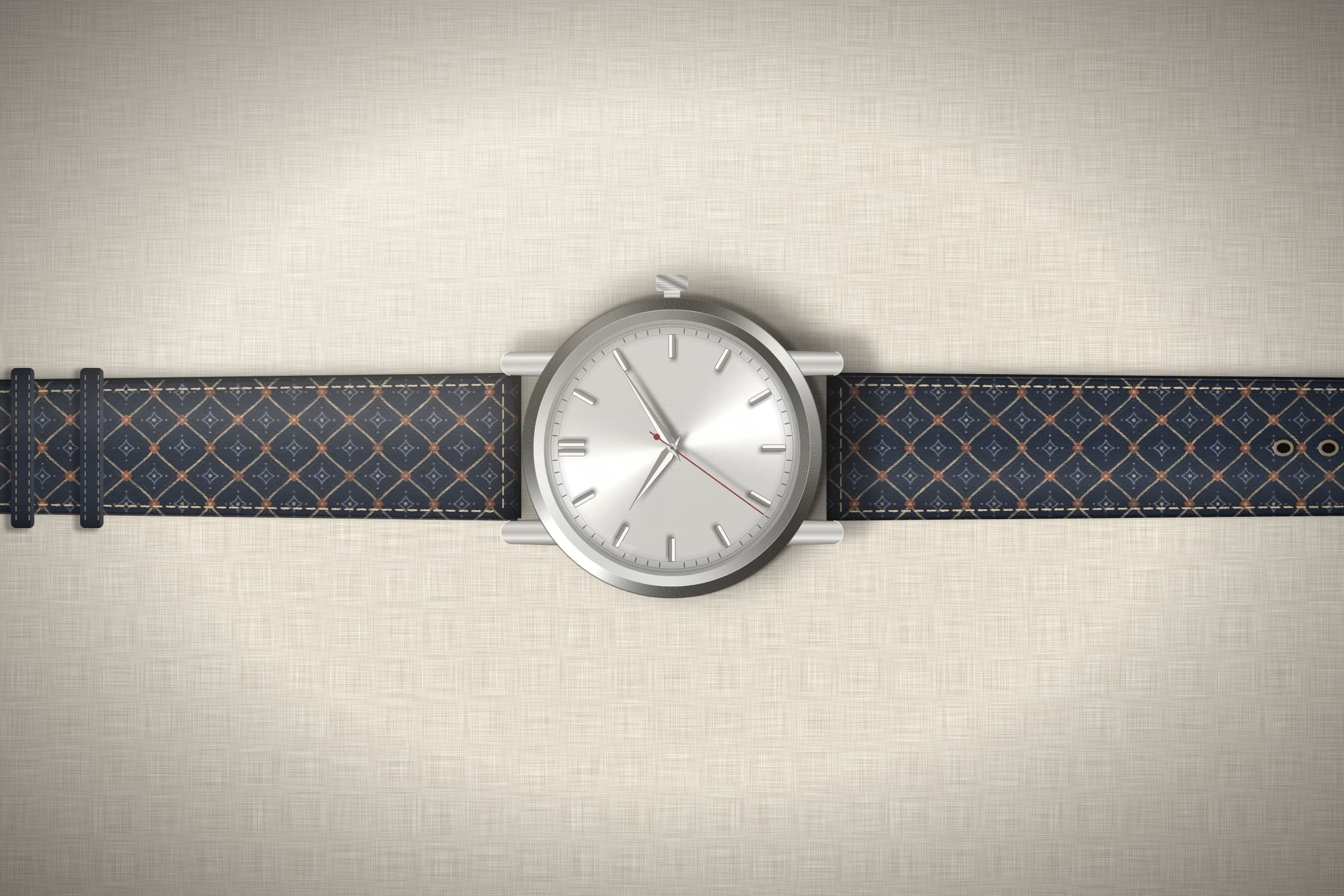
How to Measure Your Watch's Lug Width
The single most important number when buying a replacement strap — and the three ways to find it accurately.